

Getting ahead start means starting early
While you might wonder what a four-year-old can learn about money, a 2013 study by Cambridge University found that a child’s financial habits are formed by the age of seven. At Money Ready we know that consistent, high-quality financial education delivery from the first year of primary school improves financial knowledge, financial capability, confidence in maths and financial mindset year on year. (King’s College longitudinal evaluation of Money Ready’s Change the Game programme, 2025).
“This isn’t about trying to teach four-year-olds about compound interest. It’s about using play to get to grips with concepts like delayed gratification, needs and wants, risk and reward, and understanding how people actually earn money,” says Leon Ward, Chief Executive Officer at Money Ready.
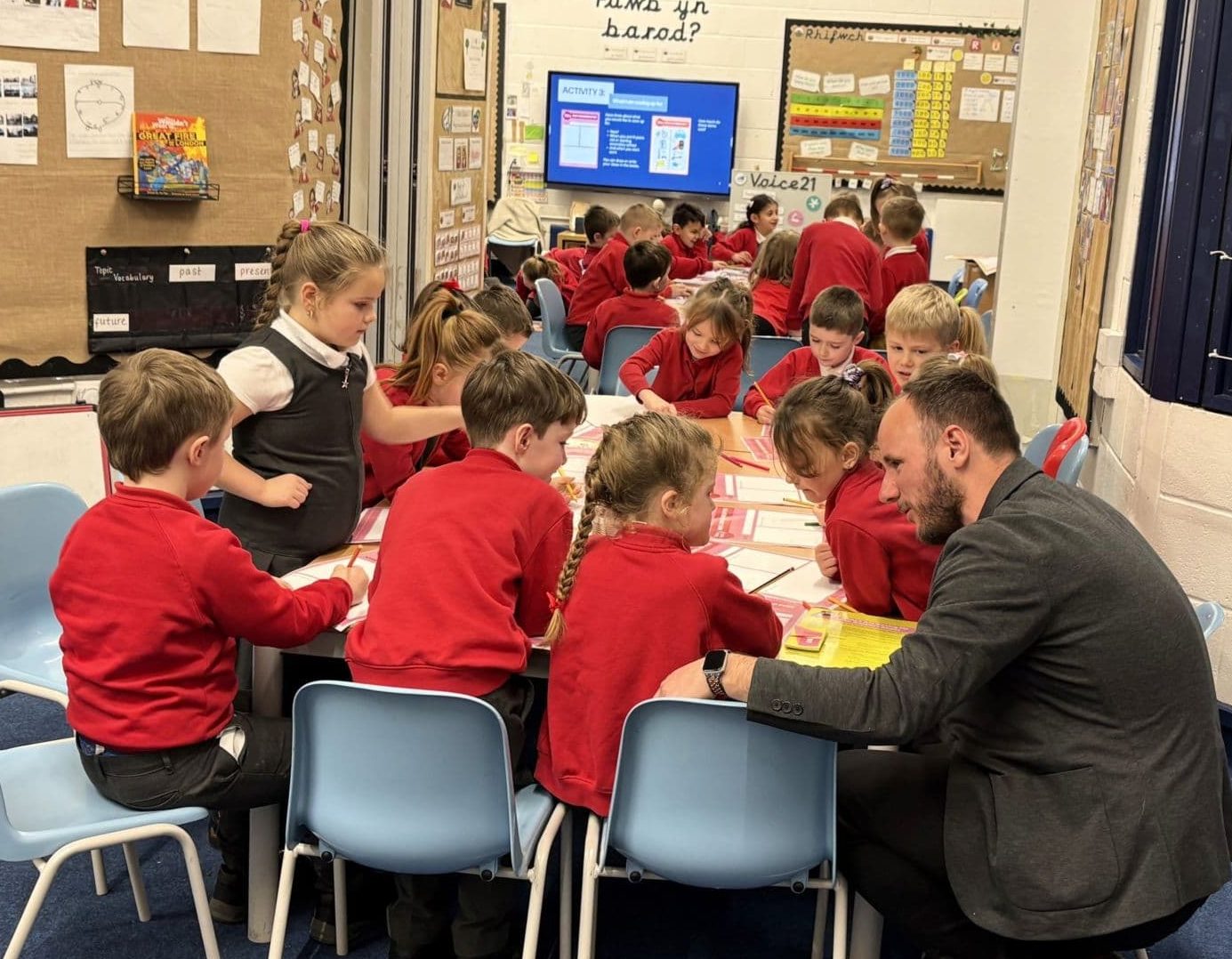
“Our primary school financial education programme helps form positive habits through games demonstrating the wins of budgeting and saving, connect the dots between public and personal finance, and help them to make money make sense. We teach children progressively, building on their previous years’ knowledge and helping them become informed consumers, savvy savers, and mindful spenders – all while having fun.”
The gaps between what we get, and what we need
While financial education is set to become compulsory for children aged four to eleven in England thanks to the Government’s Curriculum and Assessment review, the challenge may be delivering money lessons in a way that sticks.
Despite financial education being part of the secondary curriculum in England since 2014 and already on the primary school curriculum in Wales, Scotland and Northern Ireland, too many young people still leave school without the essentials of budgeting, saving, credit or understanding payslips.
Our Cost of Not Knowing research shows that many adults report feeling that they learnt key skills too late: 35% say they missed opportunities to make the most of their money, and large numbers wish they’d learned about budgeting (27%), and credit scores (22%) earlier.
More than a third (35%) feel they missed the chance to make the most of their money because they didn’t learn core skills, such as investing (38%) and pensions (34%), early enough.
The cost of not knowing
-
35%
of Brits
feel they learned financial skills too late to make the most of them
-
54%
of 18-24 year olds
say they are anxious about money
-
35%
of Brits
say they didn't learn core skills early enough
Financial education that sticks
King’s College London’s longitudinal study into Money Ready’s primary school programme is currently in its 4th year and will be ongoing until at least 2031. The findings reveal how we can make financial education relevant, engaging and memorable.
Almost 90% of teachers reported that pupils retain their financial knowledge from previous years of the programme.
“The best way to make financial education impactful in the classroom is to engage children’s imaginations,” says Leon. “That’s why Money Ready sessions includes storytelling, superhero competitions, board games and more. We attach information about money to things children already care about, from choosing between the basic and the best to buying things for a day at the beach.”
The challenge for the government now is implementation that integrates financial education a real, lived experience in every classroom. That’s what we’re campaigning for with our Cost of Not Knowing campaign. We want to make sure the UK Government and decision-makers make financial education lifelong, inclusive, and embedded in every school and service.
“Early intervention matters when it comes to financial education, and the new curriculum can help make this the norm rather than the exception,” says Leon. “When vital money knowledge is taught early enough in a way that sticks, individuals avoid unnecessary risks, uncertainty, and higher costs. That’s the knowledge gap we’re trying to close with our Cost of Not Knowing campaign. There is clear public appetite, and need, for practical, consistent financial education at all life stages, starting in primary school.”
To support our Cost of Not Knowing campaign, sign our open letter to join our call for change and write to your MP using our easy online tool to make sure the people in power hear our message. Financial education should be a right, not a privilege.
Because the cost of not knowing is higher than it looks.
Our primary school programme
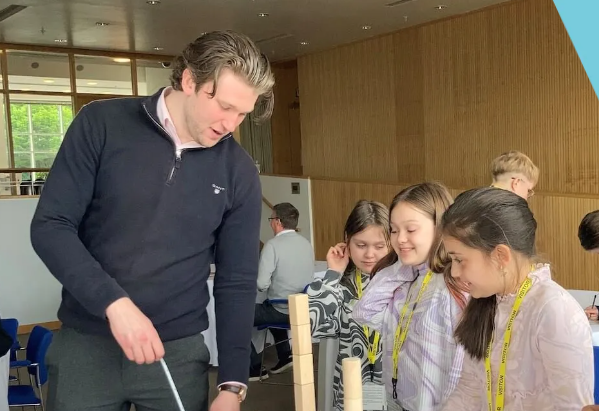
Through seven years of primary school, we foster and track pupils’ development, running programmes, teaching children progressively and providing resources for teachers and parents.