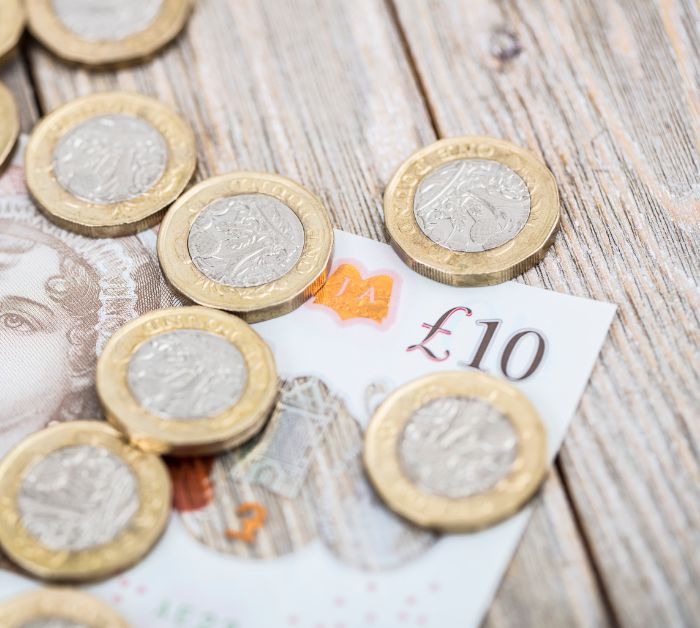
Pound coins and a ten pound note.

Autumn Budget 2026: what it means for your money

Pound coins and a ten pound note.

The Chancellor has just delivered the Autumn Budget, aiming to give “families and businesses breathing space today, while delivering the big structural changes needed for the future.”  

Still working out what’s relevant for you and your money? Here’s your round-up of changes most likely to affect everyday finances. 

Key points at a glance 

  • Energy bills: £100 off for up to 20 million households in council tax bands A to D in England in 2027. The VAT cut on electricity is extended to 1st July 2027. 
  • Pay: The National Living Wage rises 3.9% to £13.21 an hour from 1st April 2027. 
  • Fuel: The 5p fuel duty cut is extended for six months. 
  • Savings: The £20,000 cash ISA limit stays the same. Tax on savings and property income rises by two percentage points from April 2027. 
  • Self-employed: The trading allowance triples from £1,000 to £3,000 from April 2027. 
  • Housing: £1.5 billion more for social and affordable housing, plus a new Your First Home Scheme. 

What does the budget mean for energy bills?  

  • The government is giving £100 to up to 20 million households in council tax bands A to D in England in 2027. It says similar support will be funded for the rest of the UK, but we don’t yet know how it will work in Scotland, Wales or Northern Ireland. 
  • The temporary VAT cut on electricity bills runs until 1st July 2027. The government says this takes around £50 off the April 2027 price cap. 
  • The government is asking Ofgem to abolish gas standing charges and move them into unit rates. This is a request for now, and details are still to come. 

What this means: These measures soften bills rather than lower the underlying cost of energy. Moving standing charges into unit rates would mean what you pay for what you use, rather than needing to pay a fixed daily charge for gas even if you‘re not using it. 

What does the Budget mean for pay? 

From 1st April 2027 the National Living Wage rises by 3.9% to £13.21 an hour. For a full-time worker on the National Living Wage, that’s £910 more a year before tax. If you’re paid above the National Living Wage, your own pay won’t automatically change. 

What this means: The rise is worth around 50p an hour. It’s worth checking your payslip in April to see what has changed. 

What does the Budget mean for fuel costs? 

The 5p cut to fuel duty is extended by a further six months, and a planned increase linked to the Retail Prices Index is deferred to 1st July 2027. That keeps petrol and diesel prices from rising because of duty in the short term. 

What this means: This is a delay, not a permanent cut. Without it, duty would have started to rise from January, adding around 6p a litre at the pump once VAT is included. 

What does the Budget mean for savings and ISAs? 

  • Tax rates on savings and property income go up by two percentage points from April 2027.  
  • The £20,000 cash ISA limit stays the same. 
  • There’s a new First Time Buyer ISA, and the Lifetime ISA withdrawal charge has dropped to 20%. 
  • The government also plans an ISA incentive for people investing in a stocks and shares ISA for the first time. The design is still being worked out. 

What this means: The government says 84% of taxpayers won’t see an increase in their tax bill, so for many people nothing changes. If you have a lot in savings or earn rental income, it’s worth checking where you stand. If you’re saving for a first home, check the detail of the new ISA before you move any money. 

What if you’re self-employed or starting out? 

The trading allowance will triple from £1,000 to £3,000 in April 2027. Parental pay will  also be extended to more self-employed dads and partners who’ve missed out until now. 

What this means: You’ll be able to earn up to £3,000 from your side hustle without paying tax on it.  If you’re starting out, it’s worth checking how the allowance applies to you. 

How will the Budget affect housing? 

£1.5 billion more for social and affordable housing, £432 million for rough sleeping over two years, and a Your First Home Scheme aimed at 70,000 people. 

What this means: The Your First Home Scheme is the headline for buyers, but the announcement gives few details so far. If you’re looking to buy your first property, keep an eye out for more information. The rest is investment in social and affordable housing, plus funding to help people off the streets, which are more long-term ambitions. 

What to do next 

Most of these changes start in 2027, so there’s time to look at your own situation. It’s worth checking how your savings are held, what your energy bills look like and what your pay will be from April. If you’re not sure where to start, our free resources can help you make sense of it.  

Some of the measures in this Budget apply to England only or depend on decisions by the devolved governments in Scotland, Wales and Northern Ireland. 

Details may change as the Budget is put into law. For the full picture, visit gov.uk. 

Pile of pound coins and silver coins

Read next: How can I make my money go further?

Discover 12 practical tips to help make your money go further.