
Start with the basics: Why check your score?
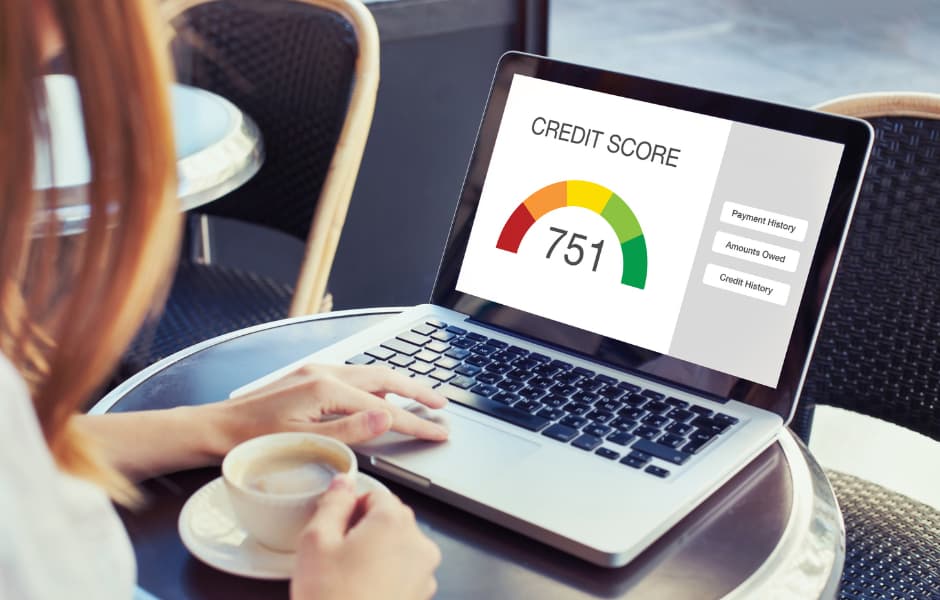
Your credit score is a number that summarises the information in your credit report. Importantly, it’s based on how lenders assess your credit history – so it gives you a good idea of how they’ll judge it when you apply for something.
A higher score doesn’t just look good on paper – it can save you money. For example, if you’ve got a great credit score then you’re more likely to get credit at lower interest rates. Which means your monthly payments will be lower. It might not seem like a big deal, but when you’re applying for something big, like a mortgage, the interest rate can make a huge difference. Keeping on top of your money and bills early could save you thousands of pounds.
There are three credit reference agencies that will give you a score – Experian, Equifax and TransUnion. They all have slightly different scales, so don’t compare side by side.
Talk about money (and ask questions)
When people share their experiences – whether it’s a great balance transfer deal or even money worries – it gives everyone around them better information to work with.
Money conversations don’t need to be uncomfortable. Asking questions can spark genuinely helpful discussions and make sure you’re well prepared.
There’s also a myth that financially confident people don’t need help. In reality, the smartest borrowers ask the most questions.
So before taking out credit, it’s worth asking:
- What’s the interest rate and how could it change?
- What happens if I miss a payment?
- Is there a cheaper or simpler alternative?
- Can I afford the repayments?
These questions aren’t signs of uncertainty, they’re signs that you’re taking control of your financial future.
Start conversations early to avoid expensive mistakes
A lot of costly borrowing mistakes happen simply because people don’t understand how credit works until after they’ve already signed up. That’s why early conversations matter.
For example, you might be offered a ‘store card’ when you buy something in a shop (usually giving you a small discount). They often have promotional interest free periods – but what happens when that ends? If you don’t clear the balance in time, you might be left paying interest at 30-40%. Suddenly, it’s costing more than if you bought it originally using your debit card.
By asking yourself (or others) questions, you give yourself the chance to think about whether it’s the right choice for you. And more importantly, whether it’s affordable and a ‘good’ credit decision.
How can get you a great credit score?
Everyone’s finances are different, but there’s a few simple rules you can follow to get a healthy credit score, and secure credit at better rates in the future. You might be building a score from scratch, but that gives you an opportunity to get on top of it early and do the right things.
- Pay your bills on time
- Keep credit card balances low
- Don’t apply for lots of credit
- Get on the electoral roll
- Keep your overall debt low
Key takeaway: Your credit score is a key to financial freedom
You don’t need to be a money expert to use credit wisely. You just need to start talking, asking questions, and keeping an eye on your credit score. Understanding where you’re at today helps you get better deals tomorrow, avoid costly mistakes, and build a future where borrowing works for you, not against you.
If you’re in your 20s or early 30s, this is the perfect time to get ahead of the game. Your future self will thank you!
This article is for information and education only. It does not constitute financial advice. If you’re unsure about a borrowing decision, consider speaking to a regulated financial adviser.
Recommended reading: